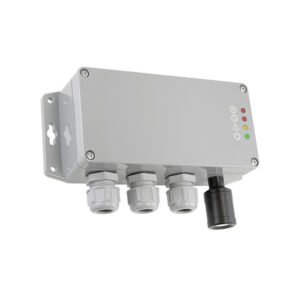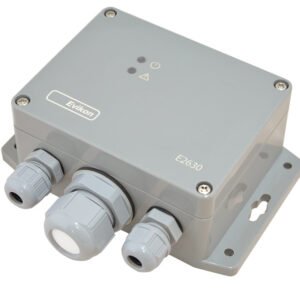
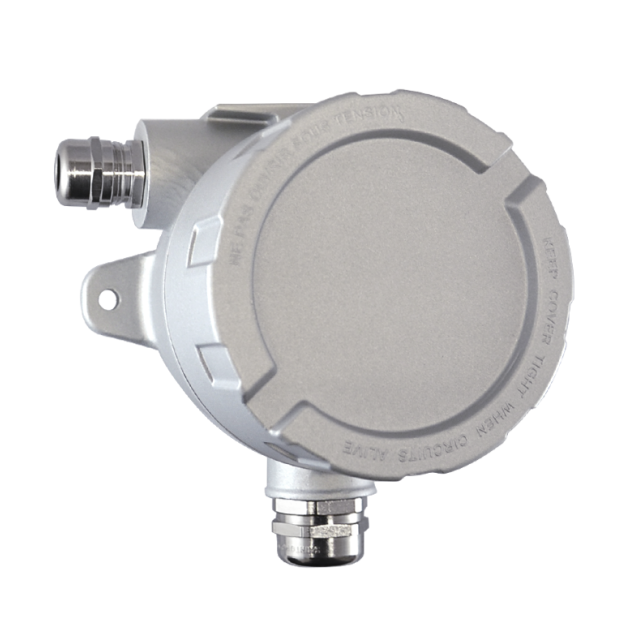
Description
| Specification | Details |
|---|---|
| Detected Gases | Halocarbon refrigerants (HFC types) |
| Sensor Type | Metal-oxide semiconductor |
| Sampling Method | Diffusion |
| Detection Range | 0…1000 ppm / 0…2500 ppm options |
| Resolution | 1 ppm |
| Analog Outputs | 2 × 4-20 mA / 0-10 V |
| Digital Interface | RS485 Modbus RTU |
| Relay Outputs | 2 × SPST relays (optional) |
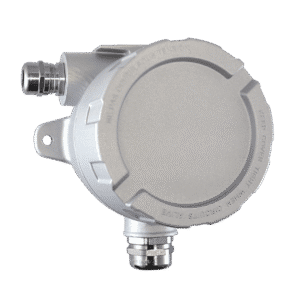
| Approvals | ATEX & IECEx flameproof standards |
| Enclosure | Flameproof metal, wall mount |
| Operating Conditions | -30…+70 °C, <95 % RH |
| Applications | Hazardous zones, industrial HVAC, refrigeration rooms |
A refrigerant detector is a safety device designed to detect leaks of cooling gases such as hydrofluorocarbons (HFCs), chlorofluorocarbons (CFCs), and hydrofluoroolefins (HFOs) from HVAC and refrigeration equipment. These gases can accumulate in confined or industrial spaces, displacing oxygen and posing risks to people and equipment. A professional refrigerants sensor continuously measures the surrounding air and triggers alarms or controls when safe levels are exceeded. In hazardous environments — like chemical plants or explosive areas — flameproof variants ensure safe operation without ignition risk, protecting personnel and critical systems.
Most modern air conditioners use HFC refrigerants such as R-410A, R-32 and R-134a. These gases provide efficient cooling performance and reduced environmental impact compared to older refrigerants.
Refrigerators and cold storage systems often use refrigerants like R-134a, R-404A and R-407C. These refrigerants balance cooling efficiency with temperature stability across domestic and industrial units.
Refrigerant gases fall into several categories: CFCs, HCFCs, HFCs, HFOs, and natural refrigerants (like CO₂ and ammonia). Each group has different environmental and safety profiles, making reliable detection crucial.
Why It Is Essential in the UAE & GCC
In the UAE and GCC, intense heat and large HVAC infrastructures increase the risk of refrigerant leaks and elevated refrigerant pressure. Facilities in aerospace, pharmaceutical, and advanced manufacturing operate under strict safety standards where even minor leaks can cause safety issues or downtime. A flameproof refrigerant detector like the E2670-HFC ensures early leak detection in explosive atmospheres, protecting people and assets in high-value facilities.
How Often Do Gas Detectors Need to Be Calibrated?
To ensure accurate readings and safety compliance, flameproof gas detectors should be calibrated at least once every 12 months. Regular calibration maintains detection accuracy and extends sensor life.
Why choose us?
Stay safe in hazardous environments with the Evicon E2670-HFC Flameproof Refrigerant Detector.
Contact Gas detectors UAE — trusted hydrogen gas detection suppliers in UAE and Authorised Distributor of Evicon — for expert support, competitive pricing, and fast delivery. Request your quote today and protect your facility with industry-leading leak detection!