
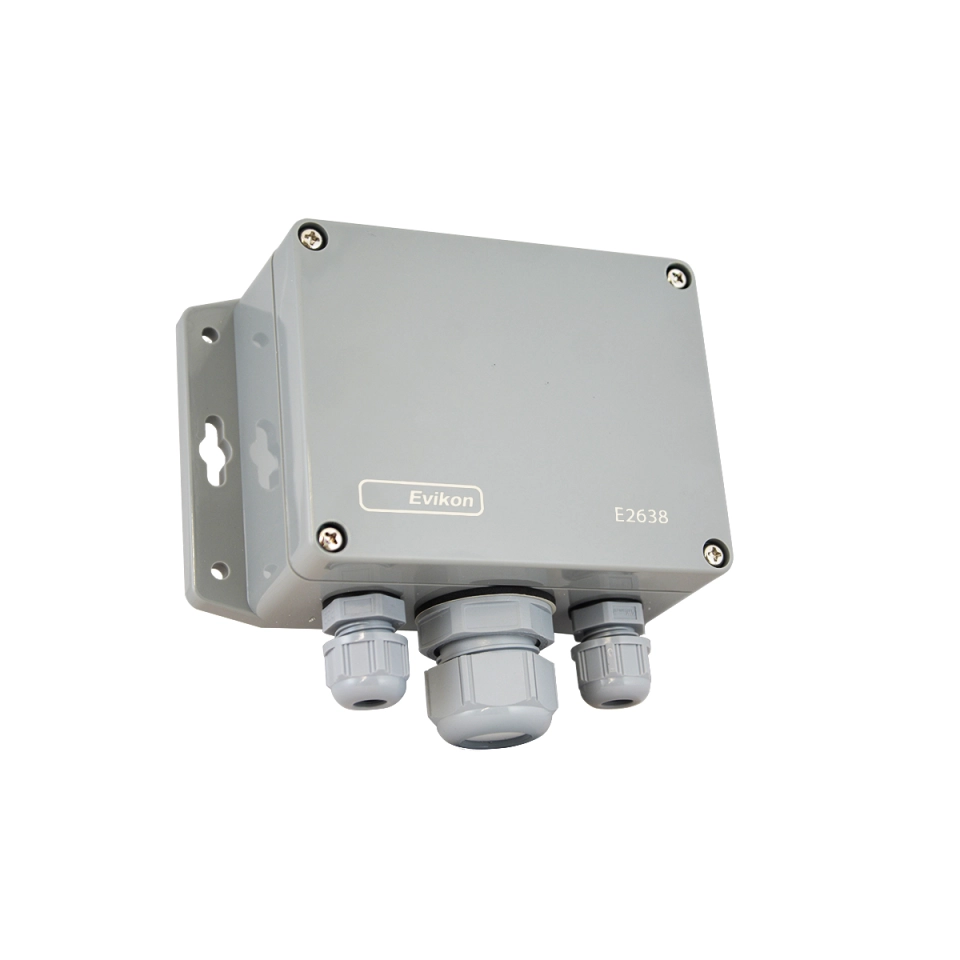
Description
| Specification | Details |
|---|---|
| Detected Gases | Hydrogen, Methane, Acetylene, Propane, Butane |
| Default Calibration | Methane (CH₄) |
| Sensor Type | Metal-oxide semiconductor |
| Sampling Method | Diffusion |
| Detection Range | 0…100% LEL |
| Resolution | 0.1% LEL |
| Accuracy | ±2% LEL |
| Sensor Lifetime | > 5 years |
| Power Supply | 12…36 V DC (default); 24 VAC or 230 VAC options |
| Analog Outputs | 2 × 4-20 mA / 0-10 V, user settable |
| Digital Interface | RS485, Modbus RTU |
| Output Relays | 2 × SPST relays (optional), 5 A max |
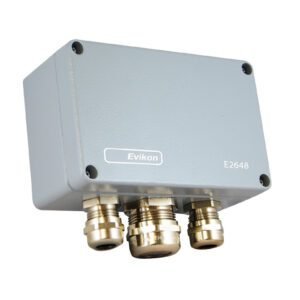
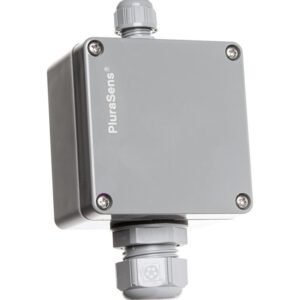
| Enclosure | ABS plastic, wall mount, IP65 |
| Operating Conditions | -40…+70 °C, 15…90 % RH |
| Dimensions | H90 × W145 × D55 mm |
What Is a Combustible Gas Transmitter?
A combustible gas transmitter (also called a combustible gas monitor) is a safety instrument that continuously measures flammable gas levels in the air. These devices use sensitive combustible gas sensors to detect gases that can ignite or explode at certain concentrations. When dangerous levels of flammable gases — like methane or propane — are present, the detector sends a signal to trigger alarms, activate ventilation, or shut down equipment, ensuring personnel safety and regulatory compliance. The E2638-LEL’s reliable performance supports modern safety systems and reduces the risk of combustible gas incidents.
How Does a Transmitter Work?
A gas transmitter uses a sensor to measure gas concentration in the air. The sensor produces an electrical signal that changes with gas levels. This signal is then converted into standardized output (like 4-20 mA or digital Modbus) so safety systems can interpret and respond to gas leaks quickly.
What Gases Does a Gas Monitor Detect?
This combustible gas detector can sense hydrogen, methane, acetylene, propane, and butane — all common flammable gases that can accumulate in confined or industrial spaces.
How to Use a Combustible Gas Detector
Install the detector where flammable gases may accumulate. Connect it to your safety or building automation system using analog outputs or RS485. When gas levels exceed safe limits, the detector will trigger alarms and control signals to keep people and equipment safe.
Why It Is Essential in the UAE & GCC
In the UAE and GCC, extreme temperatures and rapid industrial growth drive widespread use of fuel systems, HVAC, and chemical processes that involve flammable gases. Facilities in aerospace, pharmaceutical, and high-tech sectors must meet strict safety standards. A dependable combustible gas leak detector like the E2638-LEL ensures early detection, minimizes explosion risk, and protects people and assets in environments where combustible gas hazards are a concern.
How Often Do Gas Detectors Need to Be Calibrated?
To maintain accurate readings and compliance, combustible gas detectors should be calibrated at least annually (every 12 months). Regular calibration ensures measurement accuracy, reliable alarms, and long sensor life.
Why choose us?
Keep your people and facility safe with the Evikon E2638-LEL Combustible Gas Detector — a trusted solution for early flammable gas detection.
Contact Gas detectors UAE — leading hydrogen gas detection suppliers in UAE and Authorised Distributor of Evikon — for pricing, expert support, and fast delivery. Request your quote now and secure your industrial safety!
Reviews
There are no reviews yet.