
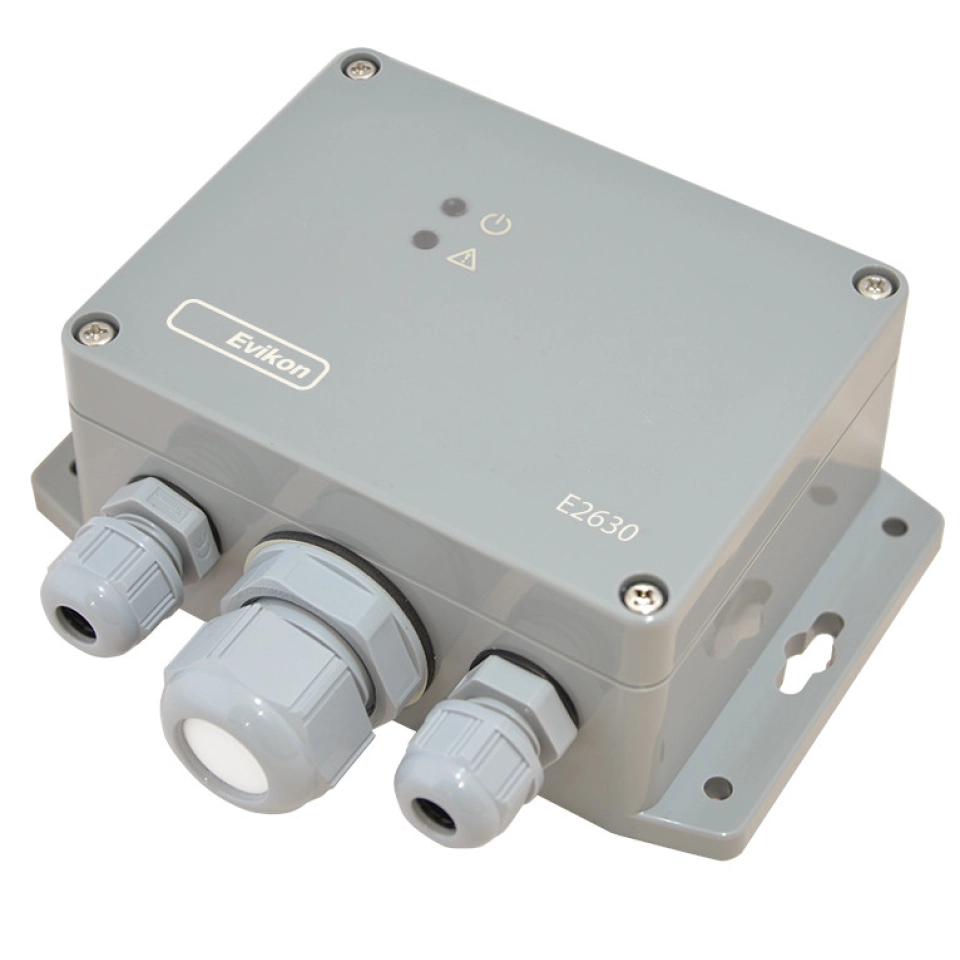
Description
| Parameter | Specification |
|---|---|
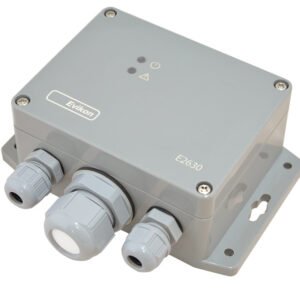
| Detected Gases | Halocarbon refrigerants (HFC types) |
| Sensor Type | Metal-oxide semiconductor |
| Measurement Principle | Diffusion |
| Display | Integrated digital display |
| Alarm Indication | LED indicators and audible buzzer |
| Relay Outputs | Integrated relays for alarm/ventilation control |
| Power Supply | 24 V AC/DC (model dependent) |
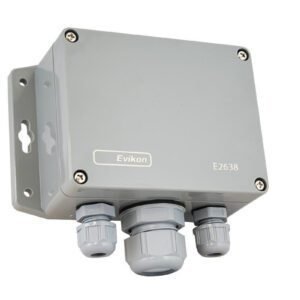
| Mounting | Wall mount |
| Enclosure | Industrial ABS housing |
| Applications | HVAC rooms, laboratories, cold storage, cleanrooms |
A refrigerant detector is a safety device that identifies leaks of refrigerant gases used in cooling and refrigeration systems. When refrigerants escape, they can displace oxygen, affect worker safety, and disrupt sensitive processes. A professional refrigerant detector continuously samples the surrounding air and triggers alarms or control actions when gas levels rise. In facilities such as cleanrooms, laboratories, and HVAC machine rooms, early leak detection helps maintain compliance, protects personnel, and prevents costly equipment damage. Using a reliable refrigerants sensor and clear alerts, detectors like the E2630-HFC play a vital role in modern facility safety strategies.
Air-conditioning systems commonly use HFC refrigerants such as R-410A, R-32, and R-134a. These refrigerants provide efficient cooling performance and are widely used in residential, commercial, and industrial HVAC applications.
Refrigerators and cold storage systems typically use refrigerants like R-134a, R-404A, and other blends selected for temperature stability and system efficiency. Larger industrial systems may use higher-capacity refrigerants that require continuous monitoring.
Refrigerant gases are grouped into CFCs, HCFCs, HFCs, HFOs, and natural refrigerants. Each group differs in operating pressure, environmental impact, and safety considerations, making proper detection and control essential.
Why It Is Essential in the UAE & GCC
In the UAE and GCC, extreme temperatures and heavy reliance on HVAC systems increase refrigerant pressure and leak risk. Advanced sectors such as aerospace, pharmaceuticals, and high-tech manufacturing demand uninterrupted cooling and strict safety compliance. A dependable refrigerant detector like the E2630-HFC helps prevent downtime, supports regulatory requirements, and protects high-value facilities in these fast-growing markets.
How Often Do Gas Detectors Need to Be Calibrated?
For reliable and compliant operation, refrigerant detectors should be calibrated at least once every 12 months. Regular calibration ensures measurement accuracy, extends sensor life, and maintains confidence in safety systems.
Why choose us?
Secure your facility with the Evikon E2630-HFC Refrigerants Detector today.
Contact Gas detectors UAE — trusted hydrogen gas detection suppliers in UAE and Authorised Distributor of Evikon — for expert guidance, competitive pricing, and fast delivery. Request your quote now and ensure reliable refrigerant safety.
Reviews
There are no reviews yet.