
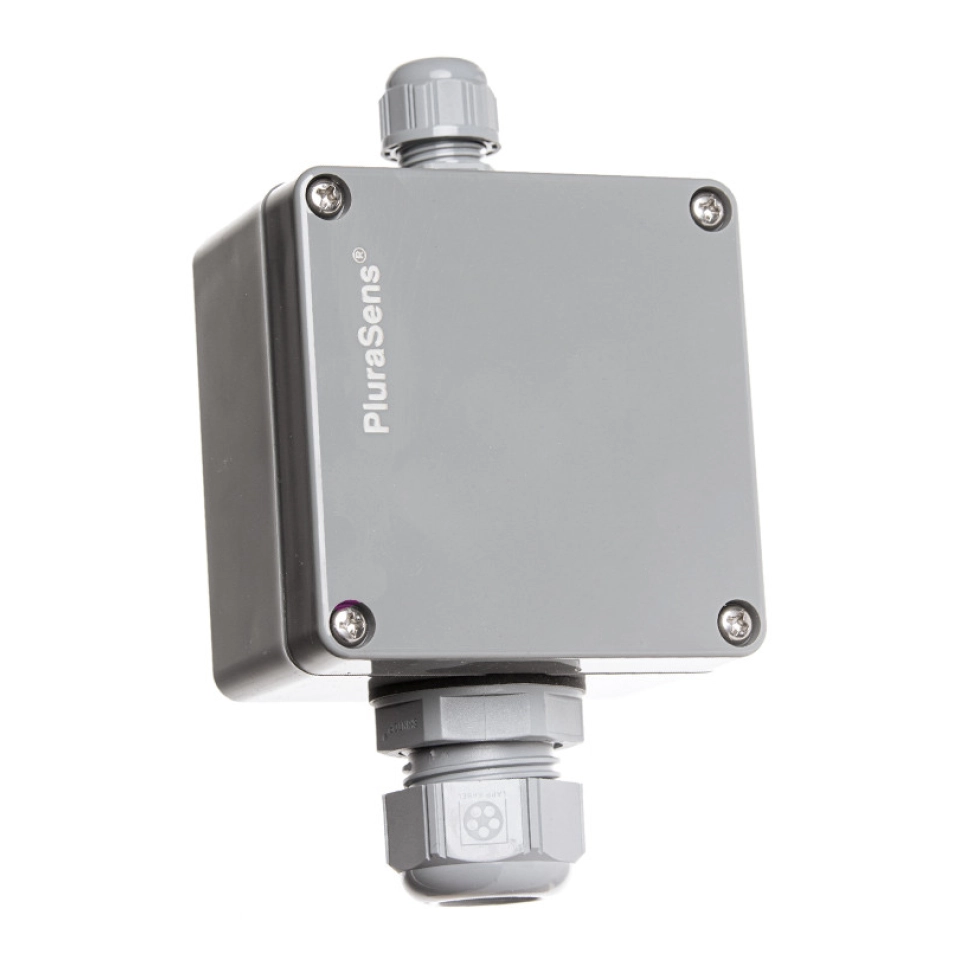
Description
| Parameter | Specification |
|---|---|
| Sensor Type | Electrochemical |
| Target Gas | Ethylene Oxide (EtO) |
| Measurement Range | 0 – 100 ppm (typical) |
| Output Signals | 4–20 mA, RS-485 |
| Power Supply | 24 V DC |
| Response Time | < 30 seconds |
| Operating Temperature | −40 °C to +50 °C |
| Housing | Industrial-grade enclosure |
| Mounting | Wall mount |
An ethylene oxide detector is a gas monitoring device used to detect and measure ethylene oxide gas in the air. Ethylene oxide is toxic, flammable, and highly reactive, making continuous monitoring essential. In a fixed system, an ethylene oxide sensor measures gas concentration and sends a signal through an ethylene oxide transmitter to alarms or control systems.
This ensures compliance with exposure limits defined in ethylene oxide MSDS guidelines and helps prevent incidents related to uncontrolled ethylene oxide reactions. Such monitoring is critical in pharmaceutical sterilization, biotechnology, and advanced manufacturing environments.
Ethylene is mainly produced through steam cracking of hydrocarbons such as ethane or naphtha. High temperatures break down these hydrocarbons into smaller molecules, producing ethylene gas, which is later used to manufacture ethylene oxide and related chemicals.
Ethylene glycol is used as an antifreeze because it lowers water’s freezing point and raises its boiling point. This helps cooling systems operate safely in both hot and cold conditions, preventing freezing, overheating, and corrosion.
Ethylene oxide is widely used for medical device sterilization, production of ethylene glycol, and manufacturing surfactants and specialty chemicals. Due to its hazardous nature, continuous monitoring with an ethylene gas sensor is essential wherever EtO is handled or stored.
Why It Is Essential in the UAE & GCC
The UAE and GCC are expanding rapidly in pharmaceuticals, healthcare manufacturing, and high-tech industries. Ethylene oxide sterilization is common in these sectors, while high ambient temperatures increase gas-related risks.
The Evikon E2618-ETO Ethylene Oxide Transmitter supports world-class HSE practices, helping facilities meet international safety standards while protecting skilled workforces and critical infrastructure.
Calibration Frequency
Gas detectors and transmitters should generally be calibrated every 6 to 12 months, depending on exposure levels, environmental conditions, and regulatory requirements. Regular calibration ensures the ethylene oxide transmitter maintains accuracy and long-term reliability.
Why choose us?
Ensure safe and compliant ethylene oxide monitoring in your facility. Gas Detectors UAE is your trusted hydrogen gas detection suppliers in UAE and Authorised Distributor of Evikon.
Contact us today for expert consultation, fast delivery, and competitive pricing on the E2618-ETO Ethylene Oxide Transmitter.
Reviews
There are no reviews yet.