
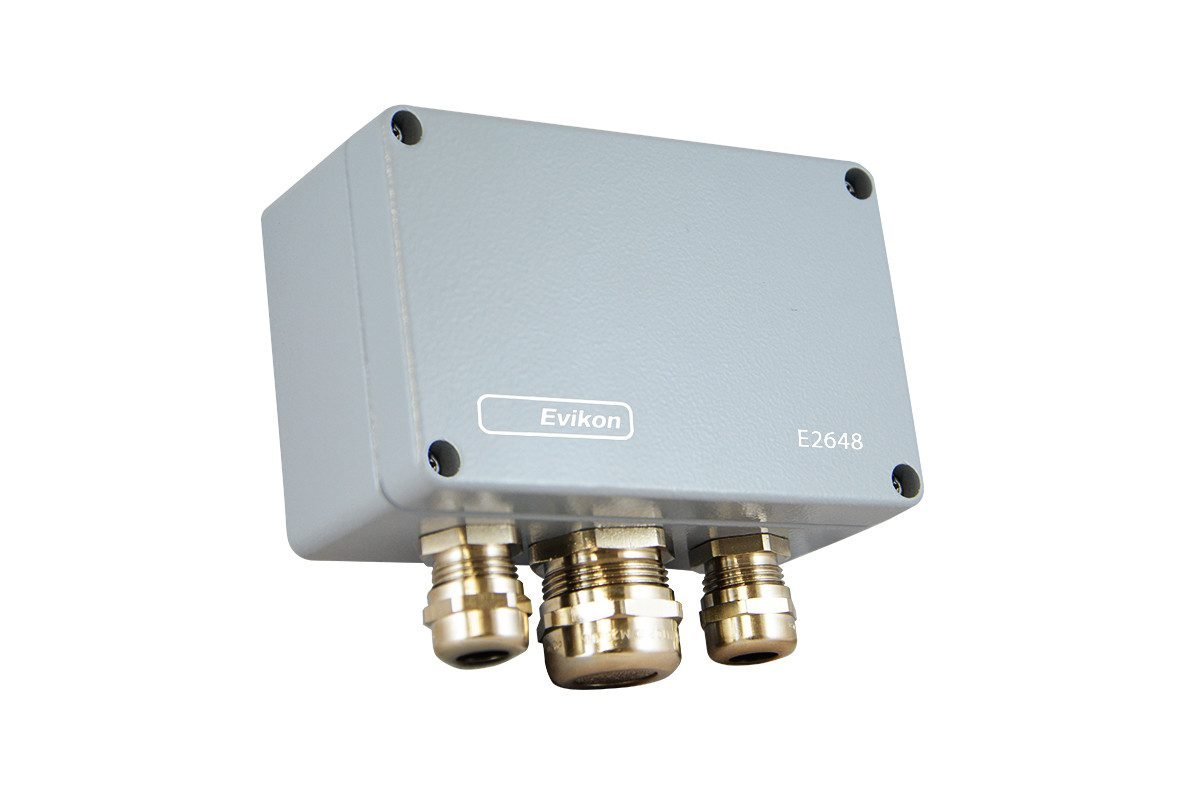
Description
| Specification | Details |
|---|---|
| Gas Detected | Chlorine (Cl₂) |
| Sensor Type | Electrochemical |
| Detection Range | 0…10 ppm |
| Resolution | 0.1 ppm |
| Response Time (T90) | < 60 seconds |
| Analog Outputs | 4–20 mA / 0–10 V |
| Digital Interface | RS485 (Modbus RTU) |
| Enclosure | Stainless steel, flameproof |
| Certification | ATEX / hazardous area rated |
| Power Supply | 12–36 V DC (model dependent) |
| Operating Temperature | −20 °C to +50 °C |
| Typical Sensor Life | Up to 2 years |
A chlorine transmitter is a fixed gas detection device designed to continuously monitor chlorine gas concentrations in the air and transmit real-time signals to control systems or alarms. Chlorine is widely used in water treatment, pharmaceuticals, and chemical processing, but even small leaks can be hazardous.
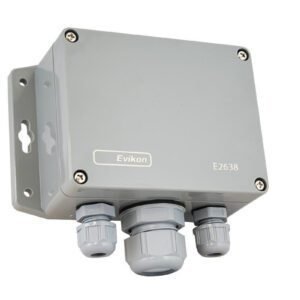
A reliable chlorine transmitter plays a critical role in industrial safety by providing early warnings and supporting compliance with occupational health standards. Devices like the Evikon E2648-CL2 function as both a chlorine sensor and chlorine analyser, converting measured gas concentrations into standardized electrical outputs. These outputs allow HSE managers and facility engineers to automate ventilation, trigger alarms, or initiate shutdowns, ensuring safe operations in high-risk environments.
A chlorine sensor typically uses an electrochemical cell. When chlorine gas enters the sensor, it reacts chemically inside the cell and generates an electrical current. This current is directly proportional to the chlorine concentration in the air. The transmitter processes this signal and converts it into outputs such as 4–20 mA or digital Modbus signals. This method ensures precise and continuous chlorine gas detection in industrial settings.
Detecting chlorine in water requires dedicated liquid-phase chlorine sensors, often used in pools, drinking water, and process water systems. These sensors measure free or total chlorine levels using electrochemical or analytical methods. While the E2648-CL2 is designed for airborne chlorine gas detection, the principle is similar—accurate sensing and conversion into readable values. This is why terms like chlorine sensor pool and chlorine sensor water are commonly used when discussing water treatment safety.
Calibration of a chlorine sensor involves exposing the detector to a known concentration of chlorine calibration gas and adjusting the output to match the reference value. For industrial chlorine gas detection systems, calibration is typically recommended every 6 months, depending on environmental conditions and usage. Regular calibration ensures measurement accuracy, regulatory compliance, and long-term reliability of the chlorine transmitter.
In the UAE and GCC, industries such as aerospace, pharmaceuticals, desalination, and advanced manufacturing operate under strict safety regulations. High temperatures, corrosive environments, and world-class safety expectations make flameproof chlorine gas detection systems essential. The Evikon E2648-CL2 Chlorine Detector supports these industries by delivering reliable performance aligned with international standards, helping facilities meet compliance goals while protecting personnel and production processes.
Why choose us?
Protect your people and facility with certified, industrial-grade chlorine gas detection. Gas Detectors UAE is your trusted hydrogen gas detection supplier in UAE and the authorised distributor of Evikon products.
Contact Gas Detectors UAE today to get the Evikon E2648-CL2 Chlorine Detector and achieve world-class safety compliance.
Reviews
There are no reviews yet.