
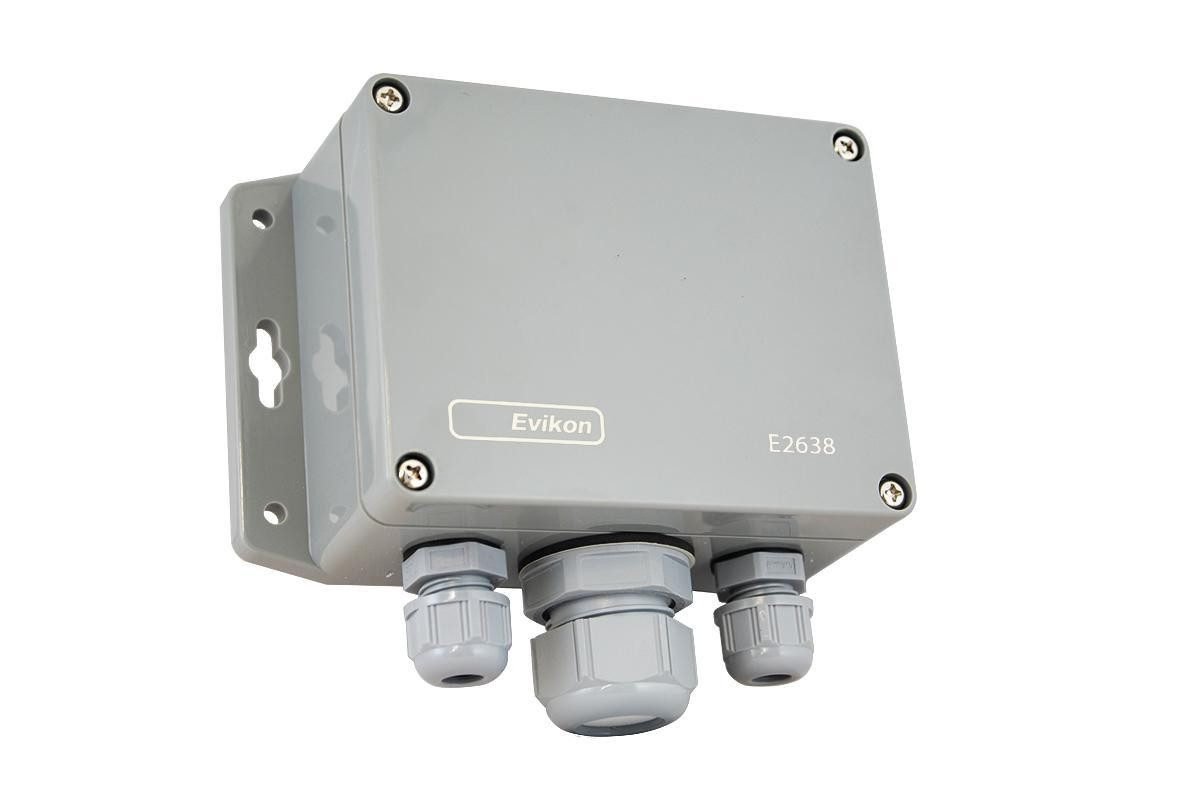
Description
| Specification | Details |
|---|---|
| Sensor Type | Electrochemical chlorine Cl₂ |
| Detection Range | 0…10 ppm |
| Resolution | 0.1 ppm |
| Response Time (T90) | < 60 s |
| Analog Outputs | 2 × 4-20 mA / 0-10 V (user settable) |
| Digital Interface | RS485 with Modbus RTU |
| Relay Options | Optional SPST relays |
| Power Supply | 12…36 VDC (default), 24 VAC or 230 VAC options |
| Enclosure | IP65 wall mount |
| Operating Temp. | −20…+50 °C |
| Sensor Lifetime | ~2 years |
A chlorine transmitter is a specialised gas safety device designed to continuously monitor chlorine gas concentrations in air. Chlorine (Cl₂) is a highly reactive and toxic gas used across water treatment, chemical processing, and manufacturing sectors. The primary role of a chlorine transmitter is to detect chlorine leaks early and send reliable signals to safety systems or control rooms to trigger alarms, ventilation, or shutdowns. This makes it essential for chlorine gas detection and maintaining worker safety and regulatory compliance. These devices use advanced sensors to convert gas concentration into electrical signals for monitoring and automation systems. Chlorine transmitters like the Evicon E2638-CL2 are widely used by HSE managers, industrial hygienists, and engineers in cleanrooms, semiconductor fabs, and life sciences facilities where hazardous gases must be controlled with high precision.
A chlorine sensor uses an electrochemical cell to react with chlorine gas. When chlorine molecules contact the sensor, they create a small electrical current proportional to the gas concentration. This current is processed and transmitted as an output signal (4-20 mA, 0-10 V, or digital RS485) to controllers or alarms. The rapid electrochemical reaction enables fast, accurate chlorine gas detection and reliable output for protective systems.
Chlorine in water is commonly measured with chlorine sensors designed for liquids, such as pool or process water monitoring systems. These sensors use electrochemical or colorimetric measurement principles to track free chlorine levels. While the E2638-CL2 is focused on airborne chlorine gas detection, water-dissolved chlorine analyzers detect free chlorine to control disinfection and ensure safe water quality, especially in pools and wastewater treatment. The concept remains similar—measuring chlorine concentration and converting it into an actionable signal to ensure levels stay within safe limits.
To calibrate a chlorine sensor, expose it to a known chlorine gas standard concentration and adjust the transmitter output to match the reference. Calibration ensures accurate readings over time. For best performance, recalibration of devices like the E2638-CL2 is recommended approximately every 6 months depending on environment and sensor usage. Always follow manufacturer calibration procedures and use certified gases.
In the UAE and wider GCC, advanced sectors like aerospace, pharmaceuticals, and high-tech manufacturing demand world-class safety solutions. As industrial growth accelerates, regulations require precise chlorine gas detection to safeguard personnel and assets. Harsh climates, complex facilities, and world-class safety standards make reliable chlorine transmitters essential for HSE and facility managers across Dubai, Abu Dhabi, and other GCC hubs.
Why choose us?
Ready to protect your facility with advanced chlorine gas detection? As trusted hydrogen gas detection suppliers in UAE and the authorised distributor of Evikon solutions, Gas Detectors UAE offers expert support, installation, and calibration services for the E2638-CL2 and other gas safety systems.
Contact us today to get your Evikon E2638-CL2 Chlorine Detector and ensure world-class safety and compliance!
Reviews
There are no reviews yet.