
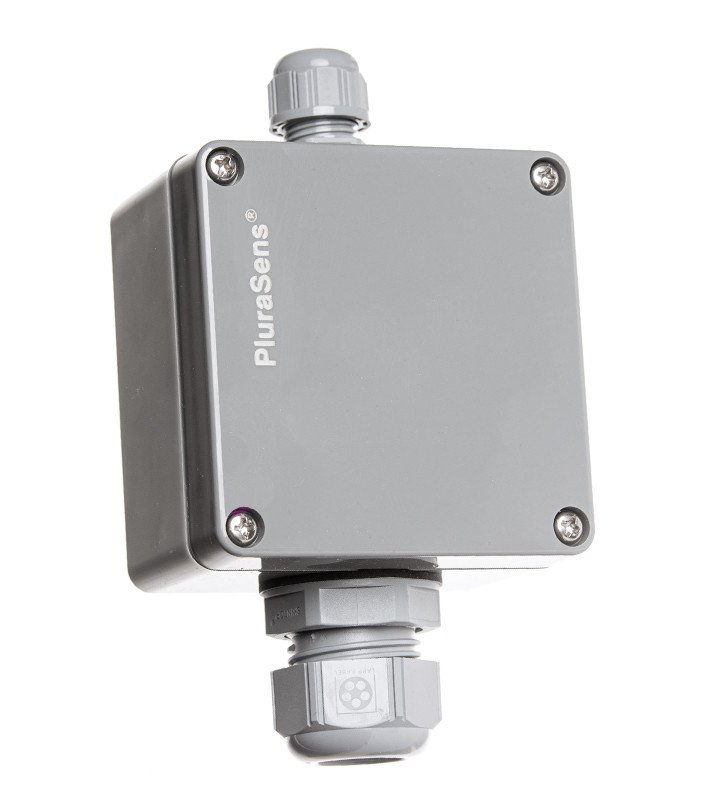
Description
| Category | Specification |
|---|---|
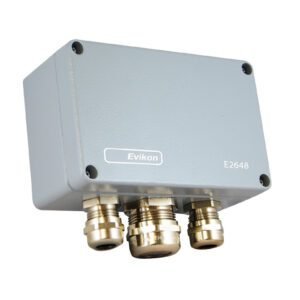
| Brand | Evikon |
| Model | E2618-CO |
| Gas Detected | Carbon Monoxide (CO) |
| Sensor Type | Electrochemical |
| Design | Split-type modular construction |
| Installation | Suitable for wall-mount applications |
| Outputs | Analog and digital communication |
| Application | Industrial environments, cleanrooms, laboratories |
A carbon monoxide detector is a safety device designed to sense CO gas — an invisible, odorless, and highly toxic substance. It continuously monitors the air, and when CO levels rise, the device triggers alerts to warn occupants before the gas becomes dangerous. In industrial and high-tech settings, these detectors protect workers, prevent equipment shutdowns, and ensure compliance with safety regulations.
A carbon monoxide detector alarm typically produces a loud, sharp, repetitive beeping sound designed to immediately grab attention. The sound pattern is distinct and intentionally urgent, helping workers react quickly during dangerous CO buildup.
A carbon monoxide detector cannot detect natural gas. Natural gas requires a different type of sensor — typically a combustible gas detector designed to sense methane. CO detectors only measure carbon monoxide.
Carbon monoxide binds to hemoglobin faster than oxygen does, reducing the body’s ability to carry oxygen. Even short exposure to elevated CO levels can cause headaches, dizziness, nausea, or loss of consciousness. High concentrations can be fatal without immediate intervention.
The UAE’s fast-growing aerospace, pharmaceutical, and advanced manufacturing sectors rely on sealed, controlled environments where even minor gas leaks can disrupt operations. Carbon monoxide risks increase in enclosed industrial spaces, mechanical rooms, and energy-intensive production lines.
Installing high-precision CO transmitters like the Evikon E2618-CO ensures worker safety, regulatory compliance, and uninterrupted production — all crucial for maintaining world-class facilities in Dubai, Abu Dhabi, and across the GCC.
Gas detectors should typically be calibrated every 6 to 12 months, depending on usage conditions, environment, and industry guidelines. High-tech facilities or critical safety areas may require more frequent calibration to maintain accuracy.
Why choose us?
Protect your team and facility with one of the UAE’s most reliable CO monitoring solutions. Gas detectors UAE is the trusted hydrogen gas detection supplier in the UAE and the authorised distributor of Evikon.
Get your Evikon E2618-CO Carbon Monoxide Transmitter today — engineered for safety, precision, and long-term performance.
Reviews
There are no reviews yet.