
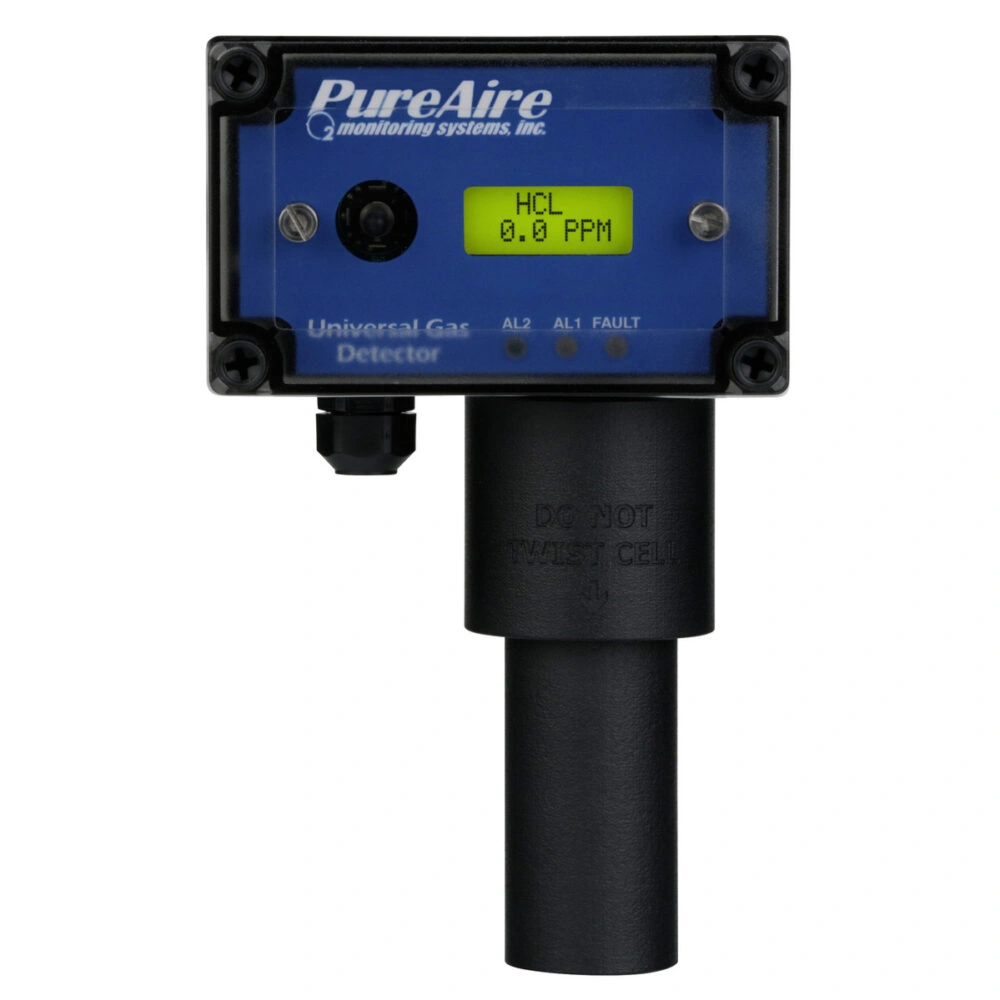
Description
| Parameter | Details |
|---|---|
| Detected Gas | Ozone (O₃) |
| Detection Range | 0–10 ppm |
| Sensor Type | Electrochemical |
| Response Time (T90) | ≤ 30 seconds |
| Accuracy | ±2% of full scale |
| Output Signal | 4–20 mA / RS-485 Modbus |
| Operating Temperature | -20°C to +40°C |
| Power Supply | 12–24 VDC |
| Enclosure Rating | IP65, dust and water resistant |
| Mounting Type | Wall or duct mount |
| Manufacturer | PureAir |
| Applications | Cleanrooms, semiconductor fabs, chemical labs, aerospace manufacturing |
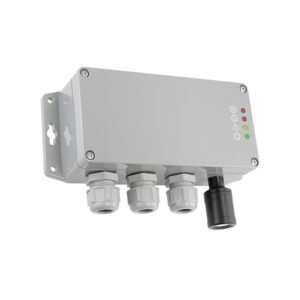
An ozone gas detector is a specialized monitoring device designed to measure the concentration of ozone (O₃) gas in the air. It continuously monitors ozone levels to ensure they remain within safe limits. Excess ozone can cause respiratory issues and damage sensitive equipment, especially in controlled environments like laboratories and cleanrooms. The ozone gas monitor provides early warnings, allowing prompt action to prevent hazards and maintain air quality compliance in industrial settings.
A gas sensor detects specific gases by measuring changes in electrical resistance or voltage when exposed to gas molecules. In the case of an ozonator, ozone is produced by passing oxygen through an electric discharge—transforming O₂ into O₃. The ozone gas sensor then measures ozone levels in the surrounding air to ensure safe exposure limits are maintained.
Yes, ozone gas is harmful when present in high concentrations. While ozone is useful for sterilization and air purification, prolonged exposure can irritate the eyes, throat, and lungs. It may also corrode materials and affect product quality in cleanrooms. That’s why using an ozone gas detector is critical for maintaining a safe working environment in facilities that use ozone for disinfection or manufacturing.
There are four main types of gas detectors used globally:
-
Electrochemical sensors—for toxic gases like ozone or carbon monoxide.
-
Catalytic bead sensors—for combustible gases.
-
Infrared sensors—for detecting gases like CO₂ or methane.
-
Photoionization detectors (PID)—for volatile organic compounds (VOCs).
The ozone gas transmitter from PureAire uses electrochemical technology for precise and stable ozone monitoring.
The UAE’s growing semiconductor, pharmaceutical, and aerospace industries demand the highest safety and purity standards. In ozone-generating systems—like sterilization rooms and manufacturing plants—real-time ozone monitoring is essential. Ozone can accumulate in confined spaces, posing health and equipment risks. The PureAire Ozone Gas Detector helps UAE industries meet international safety standards, supporting the nation’s goal of maintaining world-class industrial safety and environmental compliance.
When working with ozone, professionals often refer to ozone gas msds for safety and handling procedures. Ozone is typically stored in ozone gas cylinders or generated via ozone generator transformers for industrial applications. Devices like the gas sensor mq series or mq gas sensor list help detect various gases, including ozone. For cost estimation, checking ozone gas price data ensures operational planning in chemical or sterilization systems.
Why Choose Gas Detectors UAE?
At Gas Detectors UAE, we specialize in supplying top-quality gas detection solutions across the Middle East. As an authorized distributor of PureAire, we deliver accurate and dependable ozone gas detectors that help industries meet stringent HSE standards. Whether you need an ozone gas sensor, ozone gas transmitter, or complete safety monitoring system, we’re here to help you achieve safety compliance with confidence.
📞 Contact us today for expert consultation and reliable gas transmitters from leading brands. Gas Detectors UAE your trusted partner for industrial safety and hydrogen gas detection suppliers in UAE.
Reviews
There are no reviews yet.